Published
Vitamin D in Winter: Can Mushrooms and Fortified Foods Help?
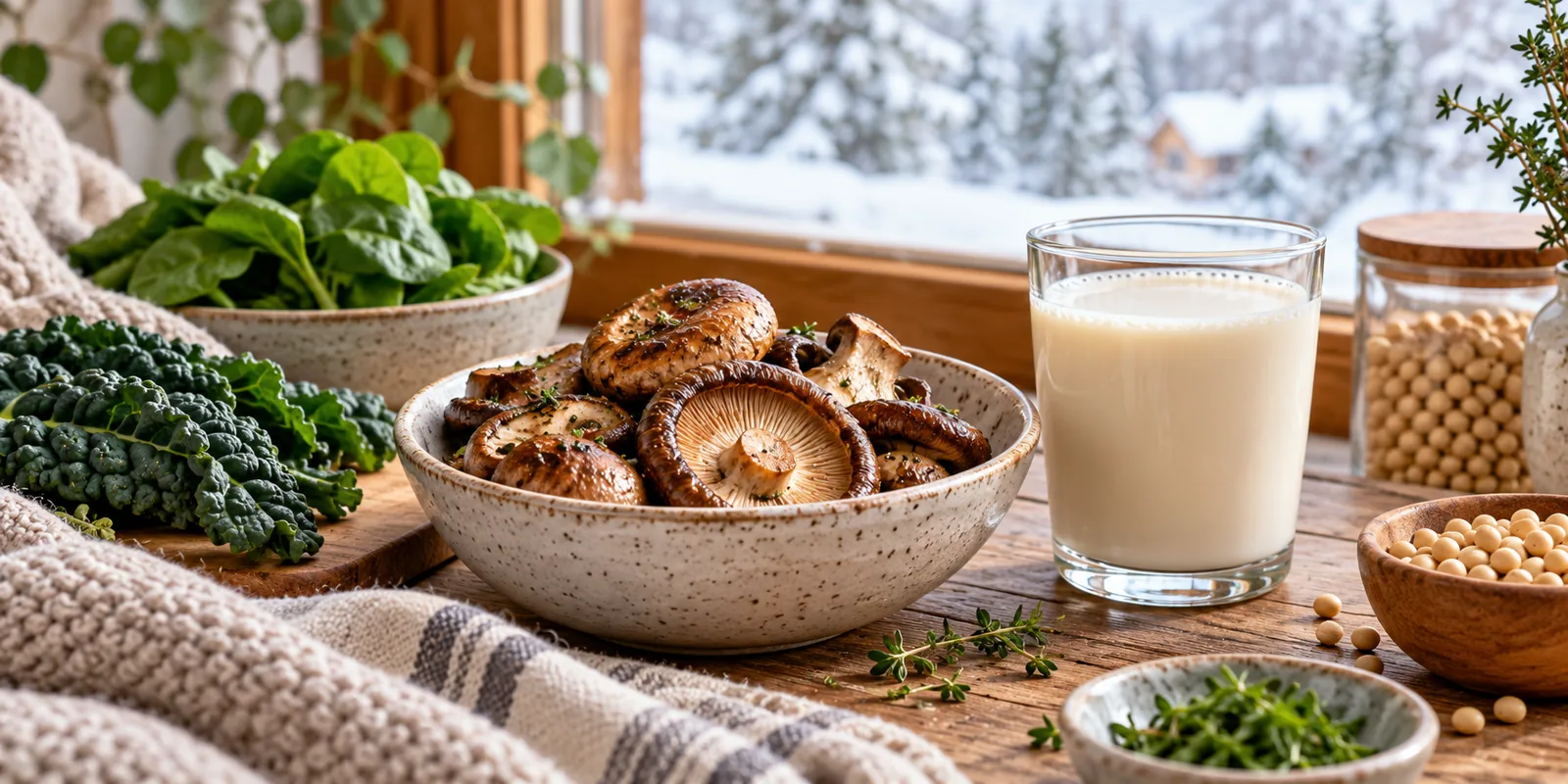
UV-exposed mushrooms contain vitamin D2, but a recent winter trial found that they did not prevent a fall in total vitamin D status.
8 min readRead story
Page 2 of 26 in our complete article archive.
UV-exposed mushrooms contain vitamin D2, but a recent winter trial found that they did not prevent a fall in total vitamin D status.

A few vigorous minutes spread through the day can help in controlled trials, but the benefit depends on the activity, effort, and how consistently people do it.
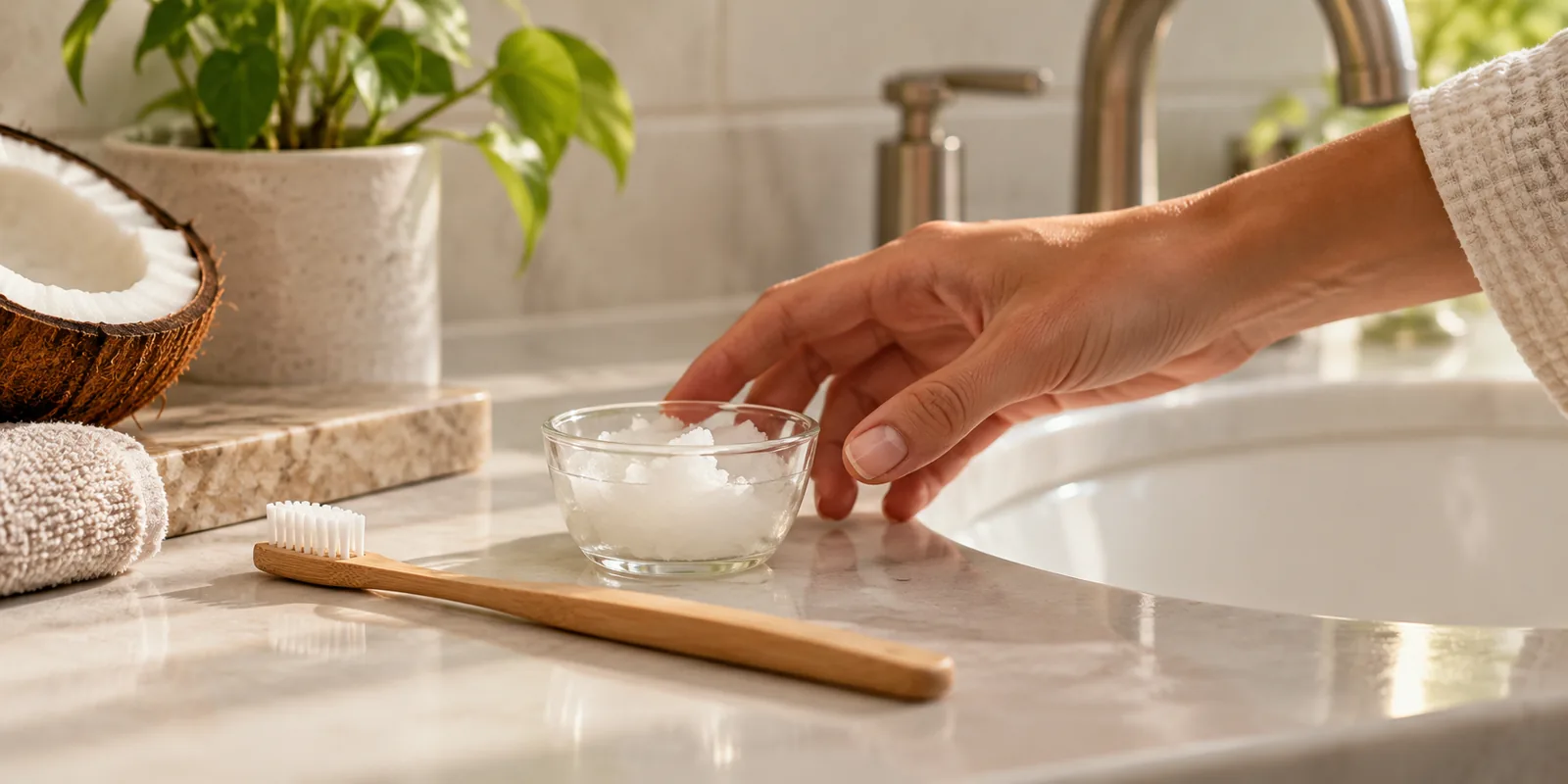
Oil pulling has a few encouraging short trials, yet newer comparisons show that its effects depend on the outcome and the control group.
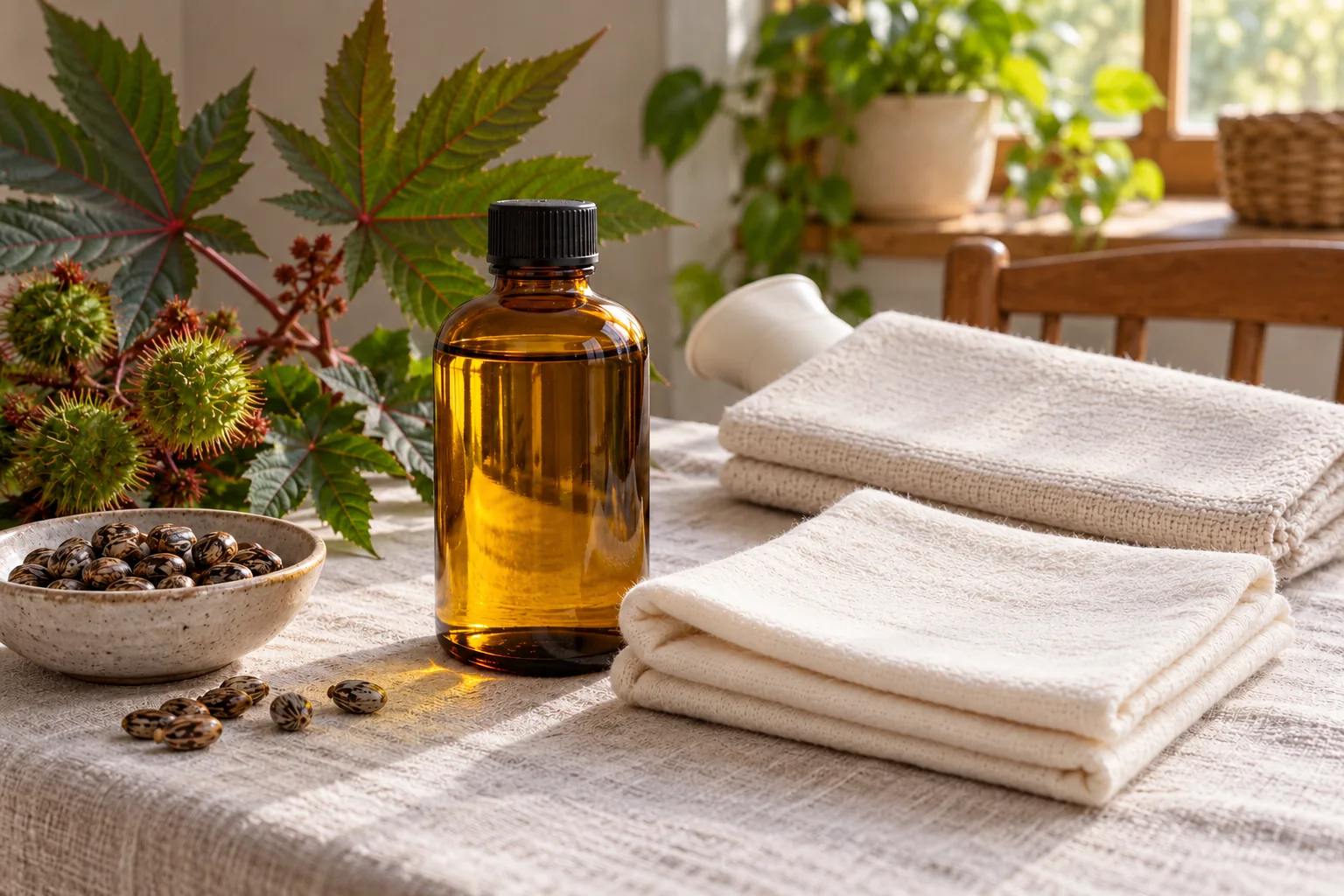
Castor oil packs may feel soothing, but their medical claims outrun the evidence. A small study did not find more bowel movements.
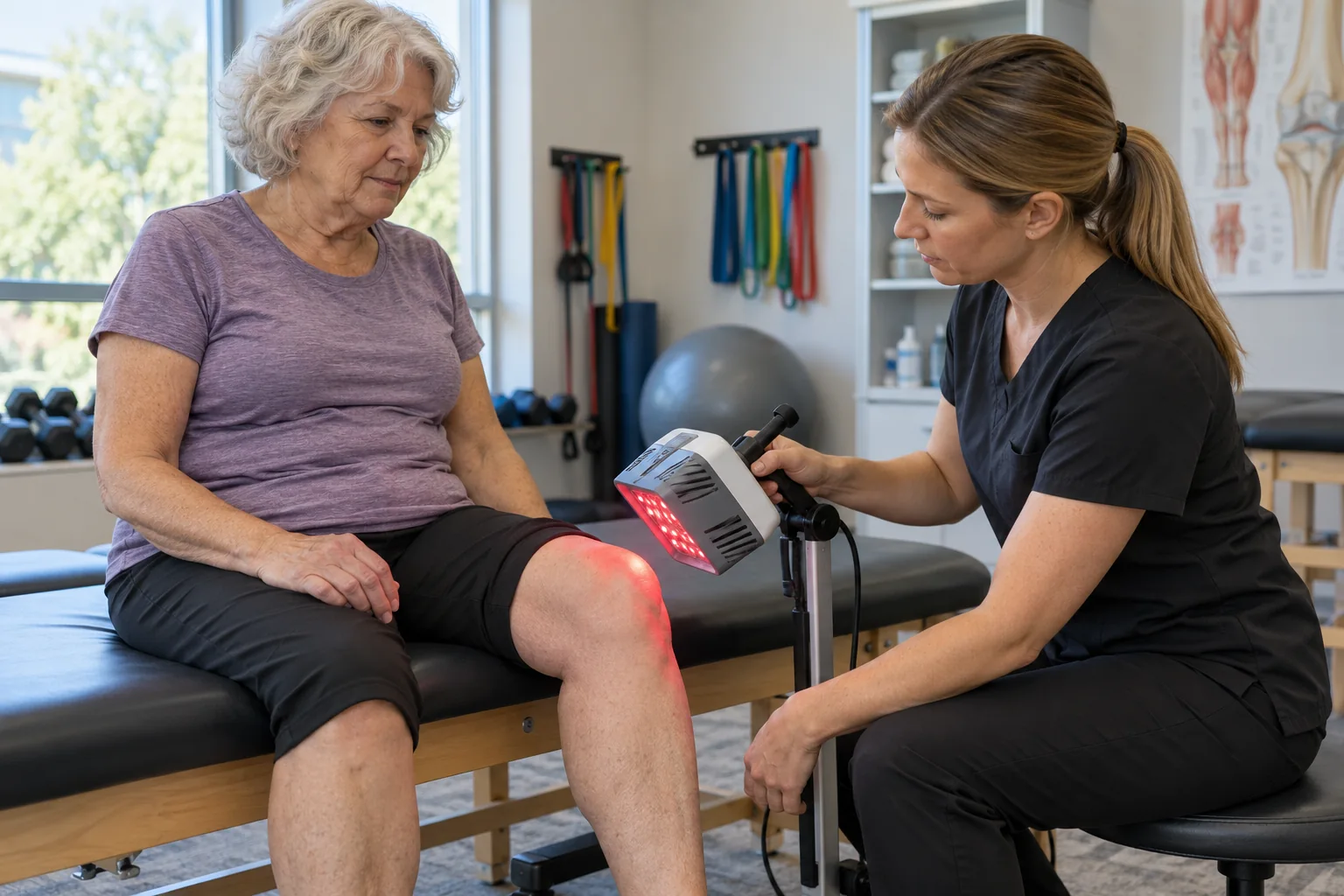
Knee light-therapy studies point in different directions. The type of light, dose, comparison treatment, and outcome all matter.

Magnesium glycinate may modestly ease insomnia symptoms for some adults, but the evidence does not support a cure or a claim about waking at 3 a.m.
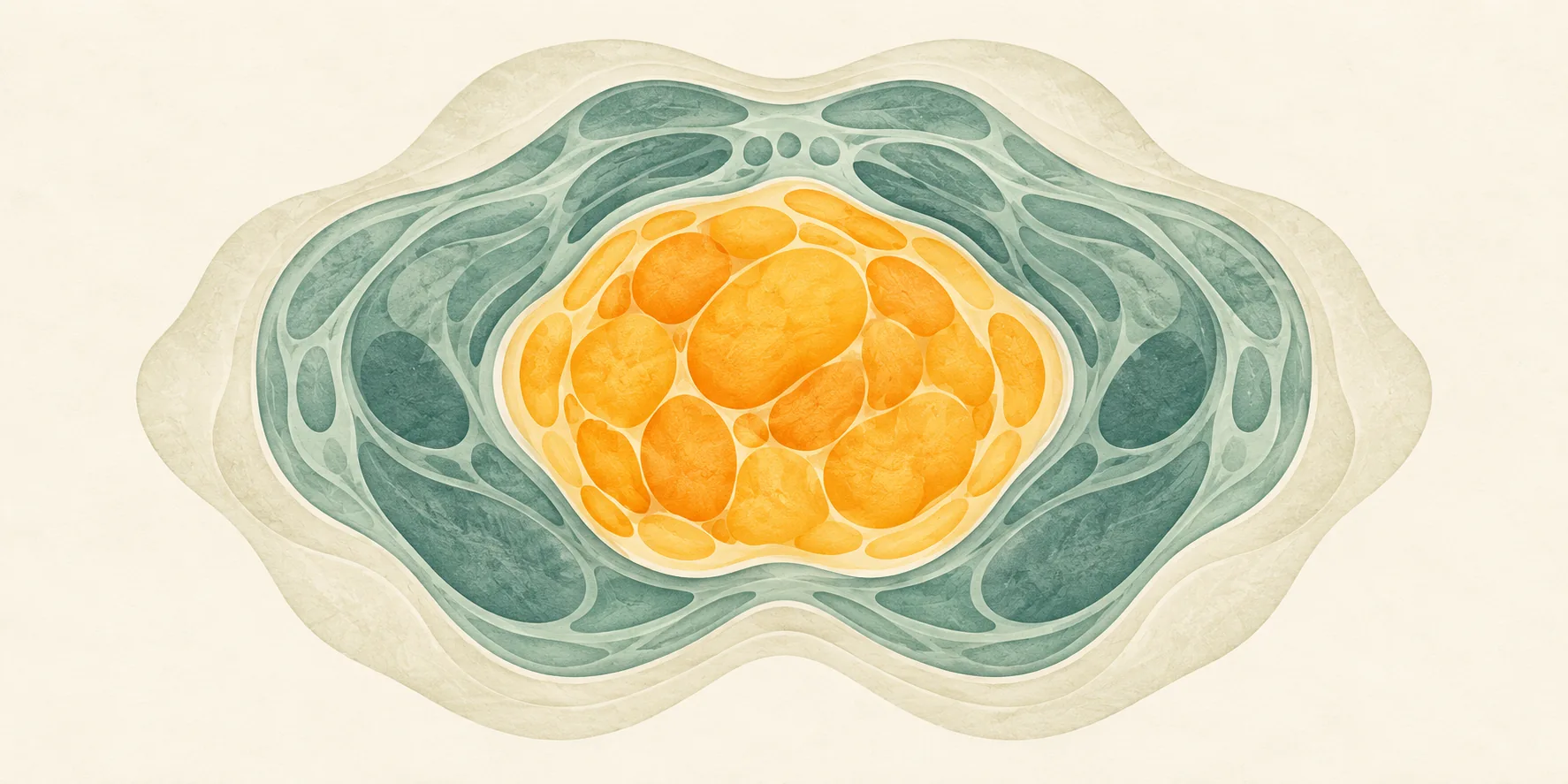
Tesamorelin has measurable effects on deep abdominal fat in HIV-related lipodystrophy, but it is not a general weight-loss treatment.
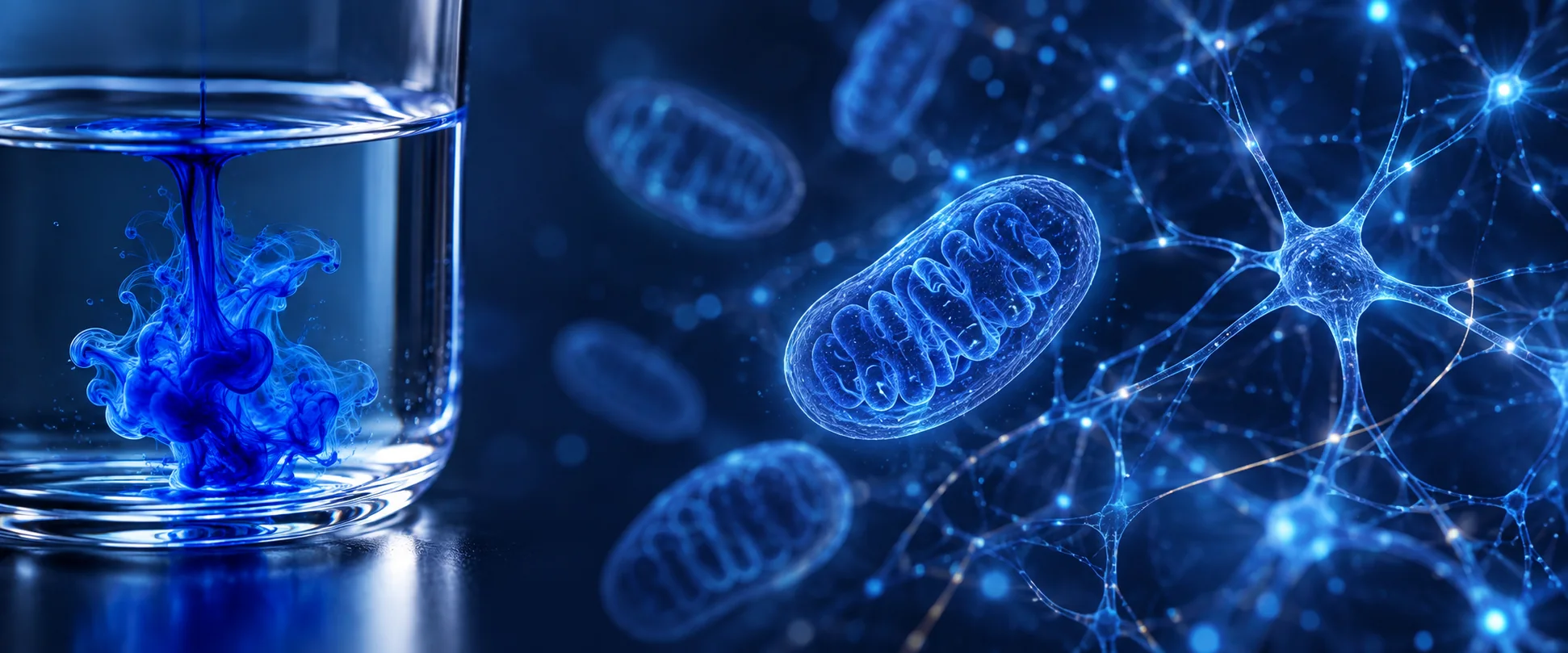
The blue dye changes oxygen chemistry in blood and can alter brain-cell activity. Small trials and candid patient accounts show both promise and important limits.
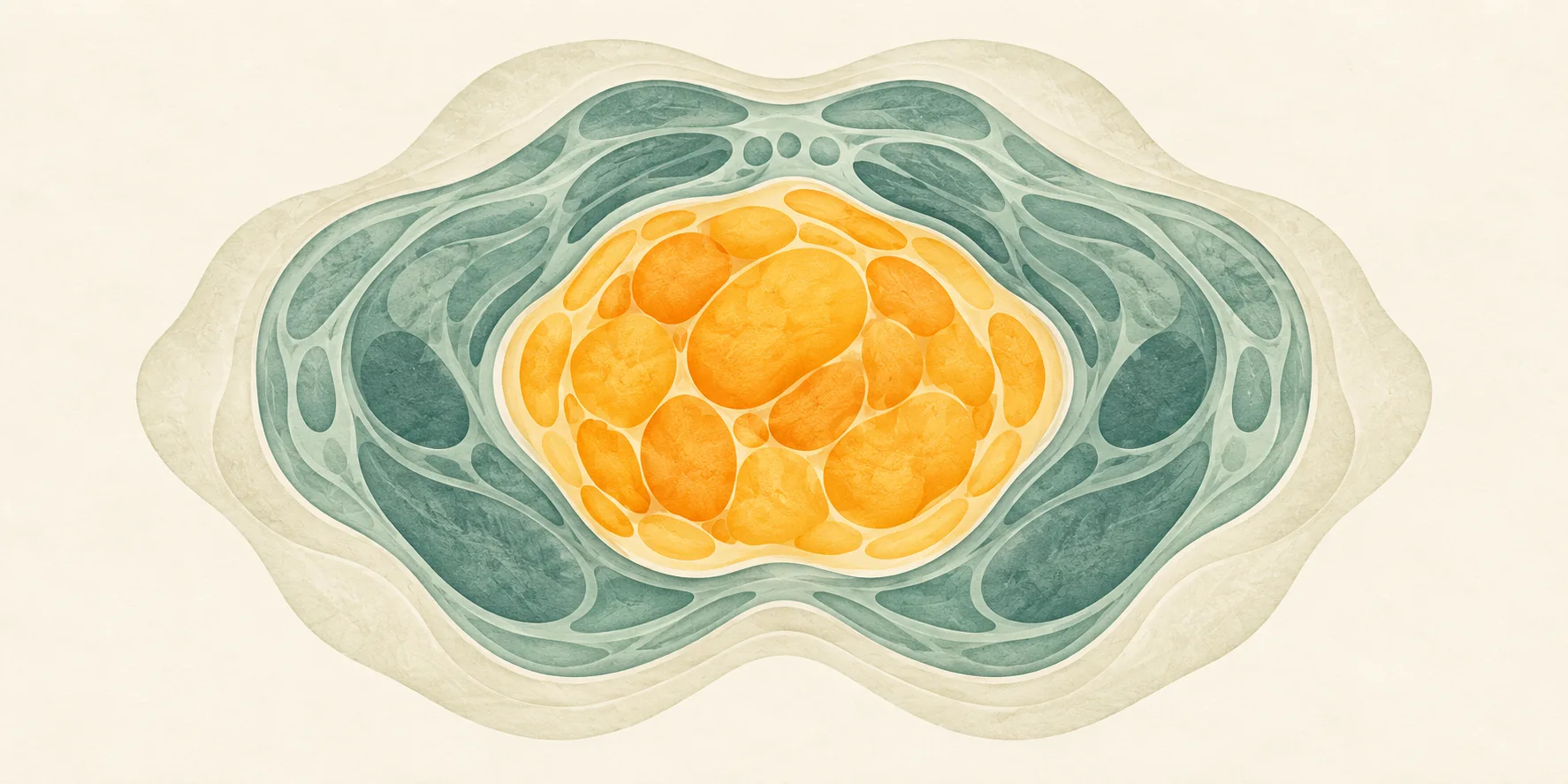
People report striking changes, subtle changes, and side effects with tesamorelin. Human trials show a narrower, measurable benefit in a specific group.

A warm LED can provide useful evening light with less short-wavelength output than a cool LED. Brightness and timing matter as much as the bulb label.
Copper peptide users report smoother skin, irritation, and no change. Human topical studies offer some leads, but injectable blends are a different question.

KPV has reduced inflammation in several mouse experiments, while people online report mixed results. Here is how to read both kinds of evidence.