
Methylene Blue for Brain Fog and Energy: Studies and Reddit User Testimonials
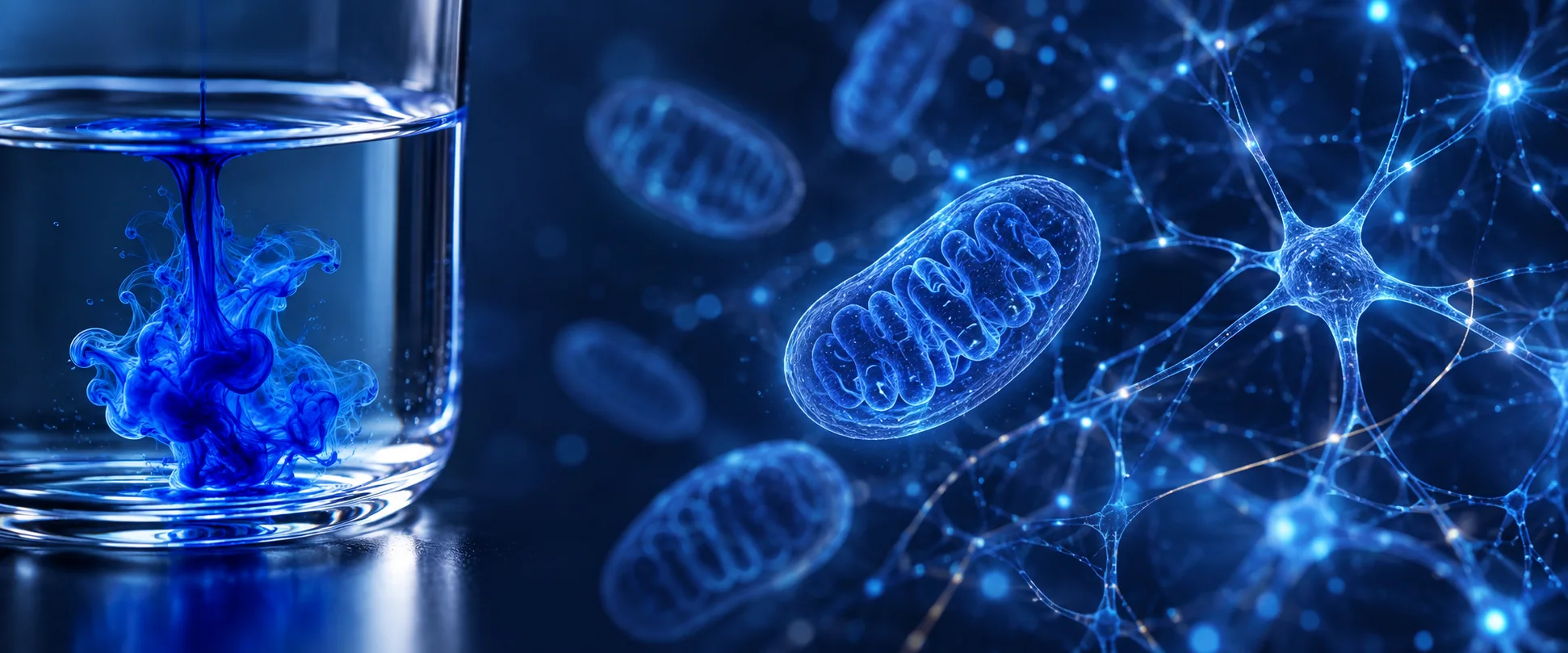
The blue dye changes oxygen chemistry in blood and can alter brain-cell activity. Small trials and candid patient accounts show both promise and important limits.
Explore time-honored practices, new perspectives, and thoughtful stories to help you care for yourself with more intention.
From nutrition and movement to traditional practices and emerging ideas, we make room for curiosity while keeping care and context at the center.
↗
The blue dye changes oxygen chemistry in blood and can alter brain-cell activity. Small trials and candid patient accounts show both promise and important limits.

People report striking changes, subtle changes, and side effects with tesamorelin. Human trials show a narrower, measurable benefit in a specific group.

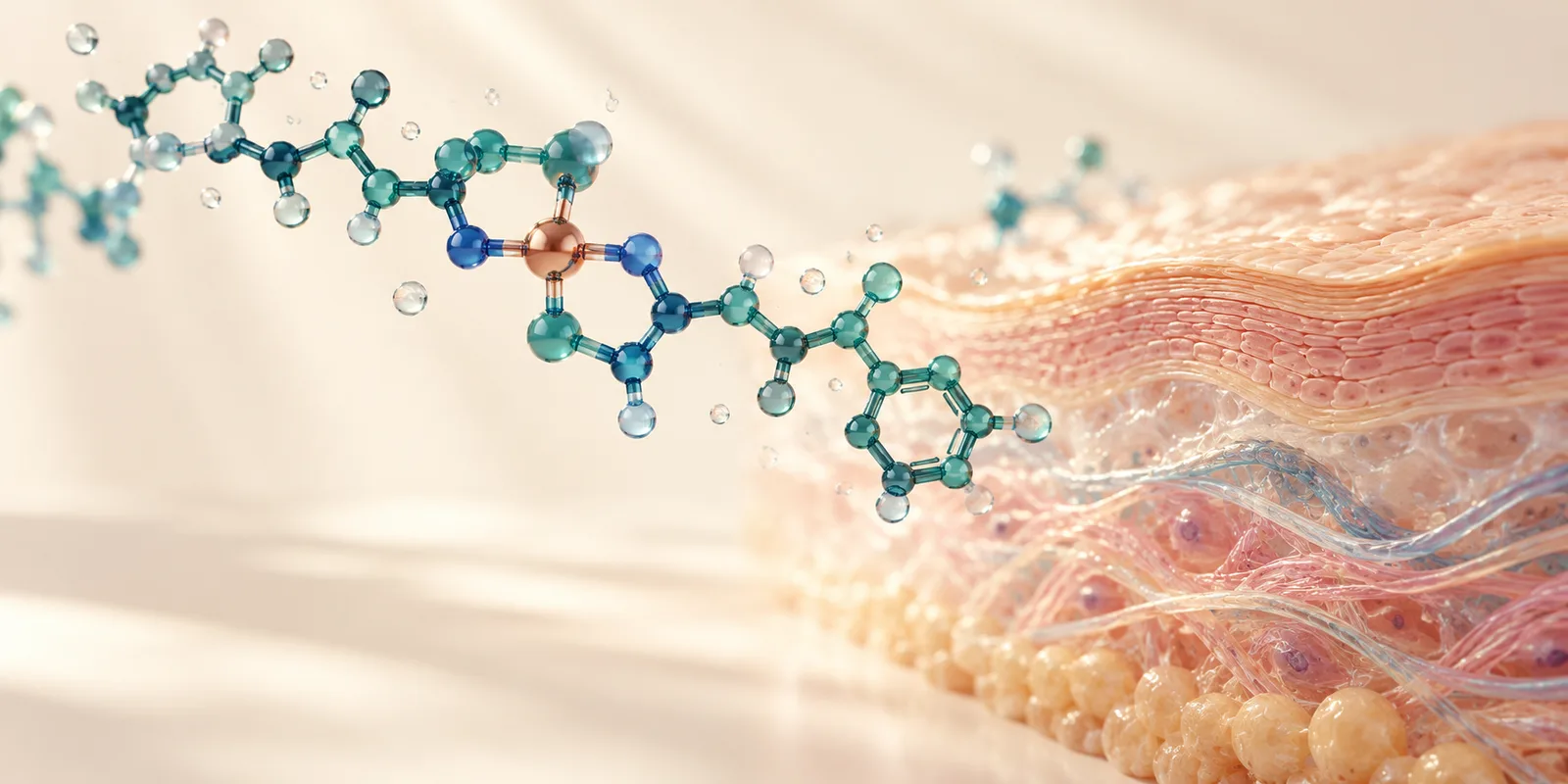
Copper peptide users report smoother skin, irritation, and no change. Human topical studies offer some leads, but injectable blends are a different question.

KPV has reduced inflammation in several mouse experiments, while people online report mixed results. Here is how to read both kinds of evidence.

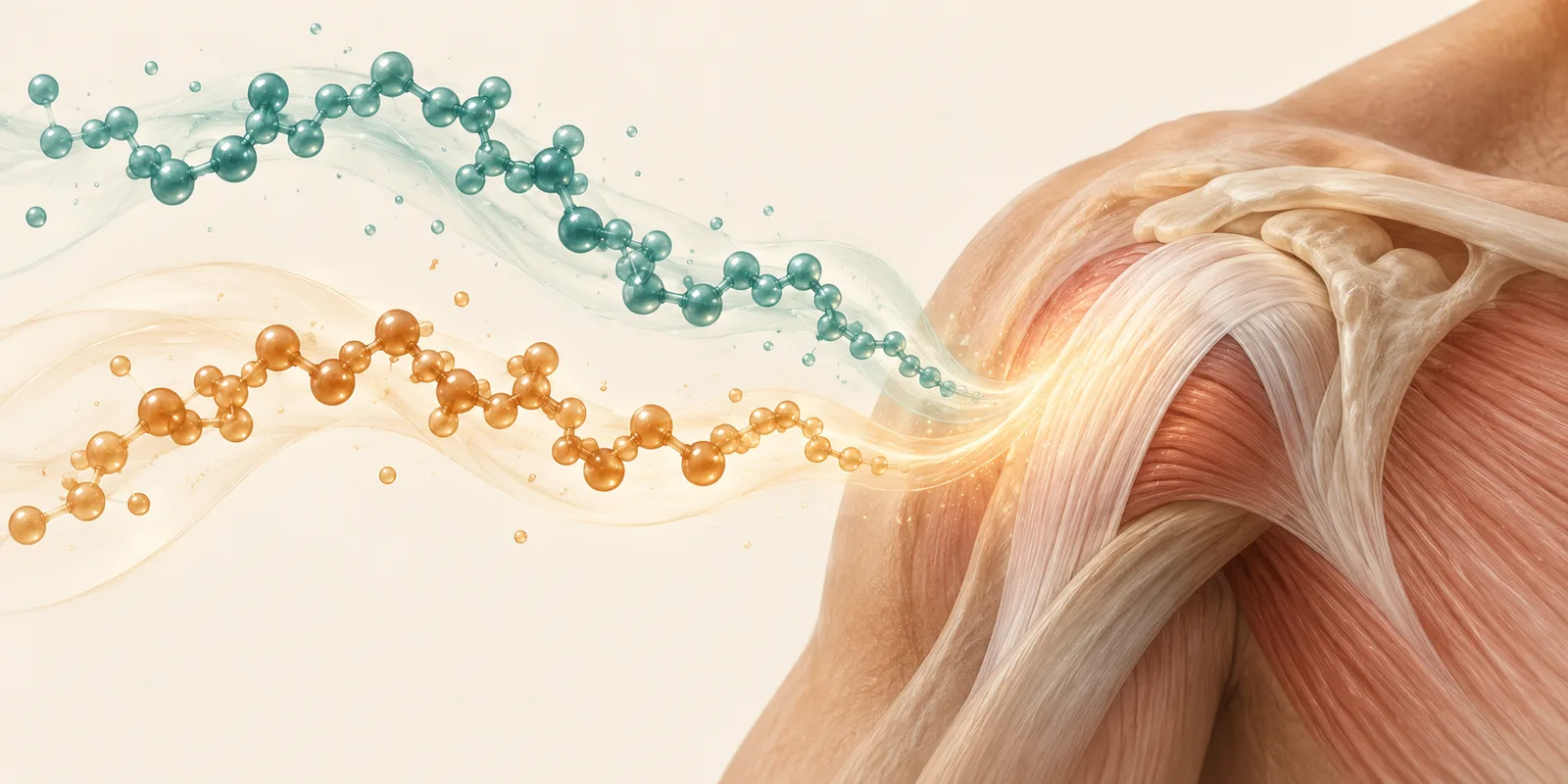
People report strikingly different experiences with BPC-157 and TB-500. Here is what those accounts say, why the pairing appeals, and where the evidence stops.

A large UK cohort links a preference for very hot drinks with higher risk of esophageal squamous cell cancer. An earlier cohort measured temperature directly.

Blue light glasses have weak evidence for screen eye strain. Two large school trials found that more outdoor time reduced children's risk of developing myopia.

Low B12 may be a clue to fracture risk, but a blood-test association is not proof that extra B12 protects bones. The trial evidence changes the practical advice.

A 12-week home tai chi program helped more people with knee osteoarthritis report meaningful relief, though the trial cannot isolate tai chi from its app and exercise support.

Ginger affects ovarian cancer cells in the lab, but human evidence remains limited. Here is what the original studies and one small trial found.
A personal collection of ideas and experiences across nutrition, movement, homeopathy, and everyday well-being.
Explore the e-bookBrowse a library of perspectives on body, mind, food, and traditional healing practices.
Explore all topicsDiscover professional EMF surveys and measurements for your home or workplace, plus practical guidance and online consultations.

The blue dye changes oxygen chemistry in blood and can alter brain-cell activity. Small trials and candid patient accounts show both promise and important limits.

People report striking changes, subtle changes, and side effects with tesamorelin. Human trials show a narrower, measurable benefit in a specific group.

Copper peptide users report smoother skin, irritation, and no change. Human topical studies offer some leads, but injectable blends are a different question.

KPV has reduced inflammation in several mouse experiments, while people online report mixed results. Here is how to read both kinds of evidence.

People report strikingly different experiences with BPC-157 and TB-500. Here is what those accounts say, why the pairing appeals, and where the evidence stops.

A large UK cohort links a preference for very hot drinks with higher risk of esophageal squamous cell cancer. An earlier cohort measured temperature directly.

Blue light glasses have weak evidence for screen eye strain. Two large school trials found that more outdoor time reduced children's risk of developing myopia.

Low B12 may be a clue to fracture risk, but a blood-test association is not proof that extra B12 protects bones. The trial evidence changes the practical advice.

A 12-week home tai chi program helped more people with knee osteoarthritis report meaningful relief, though the trial cannot isolate tai chi from its app and exercise support.

Ginger affects ovarian cancer cells in the lab, but human evidence remains limited. Here is what the original studies and one small trial found.

An illustrated guide to the full Eight Brocades sequence, from lifting the hands to a gentle heel raise.

A yearlong trial found a small but sustained blood pressure difference between baduanjin and self-directed exercise. The comparison with brisk walking needs careful reading.
Find the perspectives that speak to you.
Explore the journal