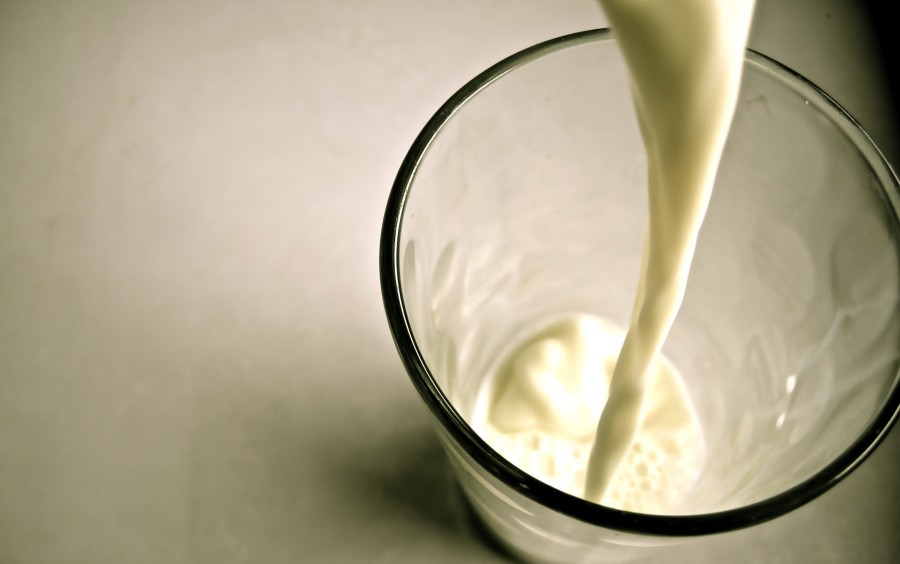
People interested in traditional foods sometimes ask why raw milk sales are regulated. The original version of this page described a proposed Welsh ban as if it represented the settled law. Current UK Food Standards Agency guidance says that raw cow milk may be sold directly to consumers in Wales by registered producers under specific conditions. It is not a blanket ban (Food Standards Agency raw-milk guidance).
Why are there rules?
Raw milk has not been heat-treated to reduce disease-causing microbes. Farm hygiene matters, but it cannot guarantee that every bottle is free from contamination. National outbreak surveillance in England and Wales recorded 19 outbreaks linked to raw drinking milk or products made from it from 1992 through 2002, and seven further outbreaks from 2014 through 2017. The later outbreaks involved 114 reported cases, five hospitalizations, and one death (England and Wales raw-milk outbreak analysis). Outbreak records cannot capture every illness, but they establish that the hazard is real.
Sampling work also found that a share of raw milk samples failed microbiological standards. That is more informative than an old claim that exactly one in five bottles is contaminated everywhere: risk varies by herd, handling, and time, and a single number should not be generalized. The original raw-milk sampling study explains what was tested.
Choosing local dairy
Supporting local farms and preferring minimally processed food are reasonable values. A reader can buy pasteurized milk from a local producer and ask about farming practices without accepting the infection risk of raw milk. For a fuller look at health claims and controlled studies, see our raw-milk evidence review. The Welsh rules reflect a balance of consumer choice and public-health risk, rather than proof that raw milk has unique healing effects.


Reader reflections.
These comments were preserved from the original site. The discussion is now read-only.