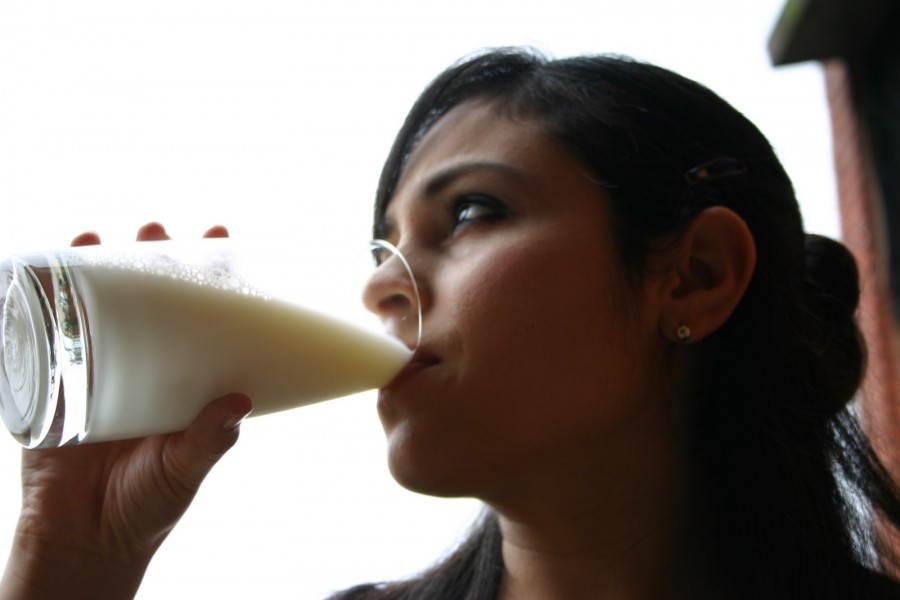
Raw milk appeals to people who want food with minimal processing and a close connection to local farms. The original version of this article speculated that it might repair tooth enamel and repeated stories about curing diarrhea. Those personal accounts do not establish a health benefit. Raw milk is milk that has not been pasteurized, and the evidence needs to weigh any proposed benefit against its infection risk.
Do the claimed benefits hold up?
One recurring claim is that raw milk is easier to digest for people with lactose intolerance. In a randomized crossover pilot study, 16 adults with confirmed lactose malabsorption drank raw milk, pasteurized milk, and soy milk during separate study periods. The researchers found no evidence that raw milk improved lactose digestion compared with pasteurized milk (Randomized raw-milk lactose-intolerance pilot study). The trial was small, but it directly tested a claim that anecdotes cannot settle.
Pasteurization can change the amounts of some heat-sensitive vitamins, while leaving others largely unchanged. The practical nutritional importance depends on how much of each nutrient milk supplies in the diet. A systematic review of pasteurization and milk vitamins found changes in some measured vitamin concentrations, but did not establish that raw milk prevents or treats illness. It also found no convincing evidence for several popular claims. No clinical study cited here shows raw milk repairs enamel, cures chronic diarrhea, or provides a unique source of essential nutrition.
What has been measured about harm?
Researchers analyzing US outbreak surveillance from 2009 through 2014 estimated that unpasteurized milk and cheese caused substantially more outbreak-related illness per serving than their pasteurized counterparts (US outbreak-related disease burden study). Surveillance misses some illnesses and depends on how consumption is estimated, so the exact ratio is uncertain. The direction of the risk is not: harmful microbes can enter milk even on farms with careful hygiene.
The CDC's raw-milk guidance explains that raw milk can carry organisms that cause severe foodborne illness. Children, pregnant people, older adults, and people with weakened immune systems are particularly vulnerable. A recent US public-health investigation also traced a multistate Salmonella outbreak to commercially distributed raw milk (CDC outbreak report). This is why local sourcing or a clean-looking herd cannot guarantee safety.
Choosing less processed food safely
There are ways to support local dairies without relying on unpasteurized milk: buy pasteurized milk from a nearby farm, choose minimally processed foods that do not carry the same microbial risk, and ask producers about their animal-care practices. If milk causes digestive symptoms, lactose-free pasteurized milk or a suitable nondairy alternative may be more useful than switching to raw milk. Persistent diarrhea, especially in a child, deserves medical evaluation rather than an untested food remedy.
Raw milk is an understandable subject for people interested in traditional foods. The available studies do not show that it is a treatment, and the documented infection risk makes a recommendation to drink it difficult to support.