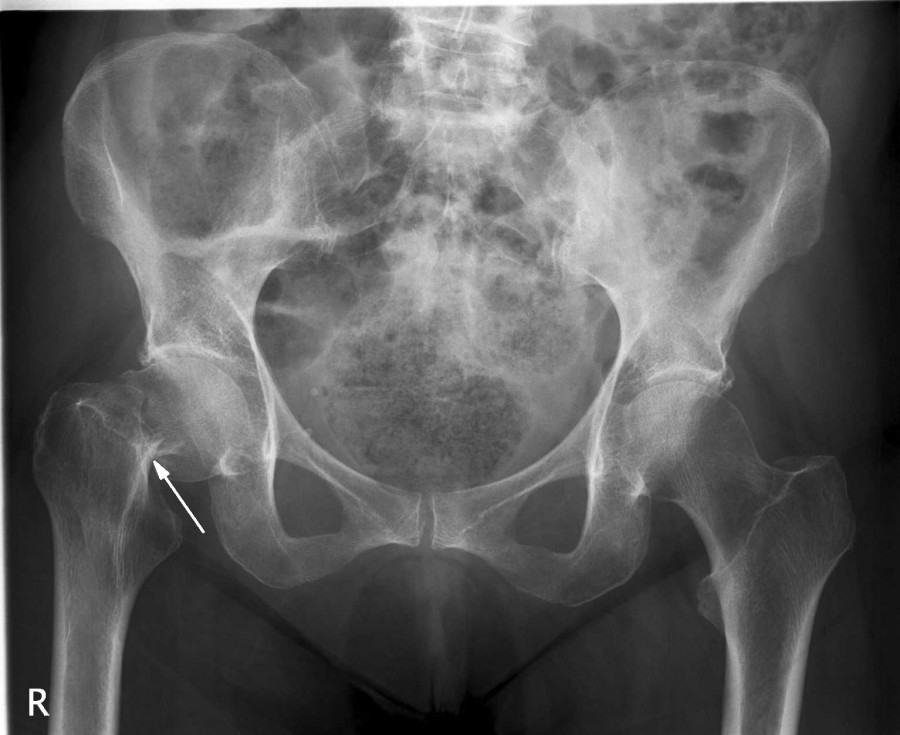
A 2006 study linked long-term use of proton pump inhibitors, or PPIs, with more hip fractures in adults over 50. The old news article on this page presented a possible explanation, reduced calcium absorption, as if it were proven. The original research measured an association between prescriptions and fractures, not the mechanism or a direct cause.
The original study
Researchers examined UK medical records and compared 13,556 people with hip fractures with 135,386 matched controls. People prescribed a PPI for more than one year had an adjusted odds ratio of 1.44 for hip fracture compared with nonusers of acid-suppression drugs. Higher doses and longer recorded use were associated with stronger differences. The original paper is Long-term proton pump inhibitor therapy and risk of hip fracture.
That number is a relative measure, not a prediction that 44% of users will break a hip. People prescribed long-term medication may differ from nonusers in illness, mobility, nutrition, and other fracture risks that records cannot fully capture. A different case-control study restricted to people without major fracture risk factors did not find an increased risk (PPI use and hip fracture in patients without major risk factors). The mixed results show why the mechanism and size of any effect remain uncertain.
What a randomized trial adds
In a large trial, 17,598 people with cardiovascular disease were randomly assigned to pantoprazole or placebo as part of a wider study. Over roughly three years, researchers found no statistically significant difference in reported fractures between the groups. The trial is Safety of proton pump inhibitors in a randomized trial. It studied one drug and a particular patient group, and it cannot rule out a small effect or effects after longer use. It does make a simple claim that every long-term PPI causes bone harm harder to defend.
What can a reader do?
If you take a PPI, ask why it was started, whether the dose and duration still fit your situation, and what other fracture risks you have. Do not stop a prescribed drug abruptly based on an old headline. For some people with occasional reflux, smaller meals, avoiding their own food triggers, and avoiding lying down soon after eating may be useful habits. Persistent trouble swallowing, bleeding, weight loss, or recurrent severe symptoms need assessment. The evidence supports reviewing long-term medicine use thoughtfully, not assuming that a single observational study has settled the question.