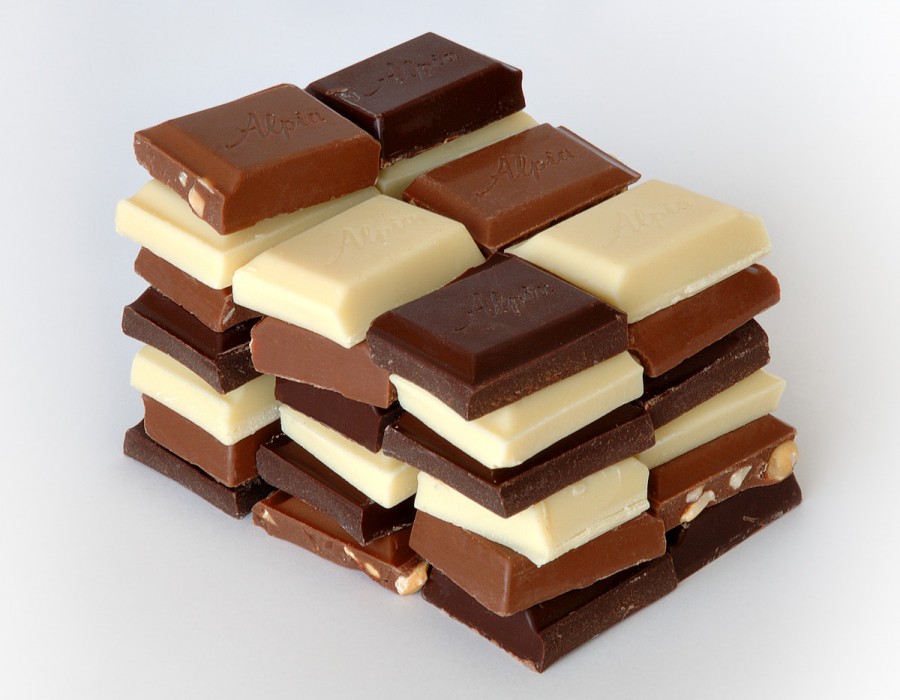
Cocoa contains flavanols, including a compound called epicatechin. These plant compounds have been studied for effects on blood-vessel function and heart health. The old headline on this page claimed that cocoa could rival penicillin. That comparison was never supported by a clinical trial. A more useful question is what happened when researchers actually tested cocoa flavanols in people.
What the early experiment found
In a small human study, researchers gave healthy adults flavanol-rich cocoa and measured how well an artery widened in response to blood flow. They also measured substances related to nitric oxide, which helps blood vessels relax. The vascular measurements improved shortly after the cocoa drink, and blood levels of epicatechin-related compounds tracked with the response. The original paper is Epicatechin mediates vascular effects of flavanol-rich cocoa. It measured a short-term physiological response, not prevention of strokes or heart attacks.
A later randomized crossover experiment in 20 men compared dark chocolate, isolated epicatechin with white chocolate, and a white-chocolate control. It helped separate the possible contribution of epicatechin from other cocoa ingredients (Epicatechin and acute vascular function trial). These small studies explain why cocoa remains an interesting nutrition research topic. They do not establish a recommended serving or prove that ordinary chocolate treats disease.
What happened in the large trial?
The COSMOS trial randomly assigned 21,442 older US adults to a daily cocoa extract containing 500 mg of flavanols or placebo, as part of a larger factorial study. Over a median 3.6 years, 410 people in the cocoa group and 456 in the placebo group had a confirmed cardiovascular event in the trial's primary combined outcome. The difference did not meet the usual threshold for statistical significance: hazard ratio 0.90, 95% confidence interval 0.78 to 1.02. The original report is COSMOS cocoa extract randomized trial.
The researchers reported fewer cardiovascular deaths as a secondary outcome. That is a signal worth studying, but a secondary finding does not overturn a nonsignificant main outcome. The participants took a standardized extract, not mugs of sweet cocoa or chocolate bars. Amounts of flavanols in foods vary with processing, and adding lots of sugar or calories is not a sensible way to recreate an extract trial.
A practical view
If you enjoy unsweetened cocoa or modest amounts of dark chocolate, they can fit into a varied diet. The evidence does not justify using cocoa instead of treatment for heart disease, and it certainly does not make a plant compound comparable to an antibiotic. For another food-based cardiovascular question, see our review of beetroot juice and blood pressure. The strongest cocoa finding to date is a possible biological effect that needs careful interpretation when set beside the larger outcome trial.