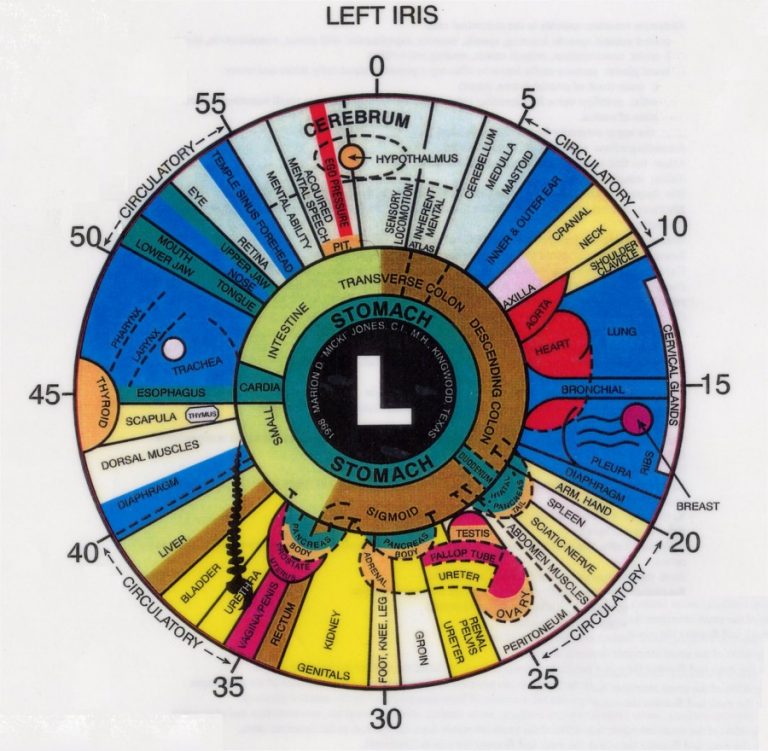
iridology1

Iridology

Iridology is a form of alternative medicine in which patterns, colors and other characteristics of stromal fibers of the iris are examined for information about a patient’s health. Practitioners match their observations to iris charts which divide the iris into many zones believed to be equivalent to specific parts of the human body. The iris…

Picture2031

Hydrotherapy

Hydrotherapy, also called hydropathy, is probably one of the oldest forms of medical treatment. It involves the use of water for easing pains and treating diseases. Its use has been recorded very early in ancient Egyptian, Greek and Roman civilizations. Egyptian royalty used essential oils and flowers in baths, while Romans had communal public baths…

enjoying nature21
|

Biofeedback

All living things monitor and respond to their environment. The purpose for the senses is to provide the central nervous system with sources of information about environment. When the environment is internal, and the intent is self observation or regulation, the monitoring is biofeedback. Technology allows monitoring of internal sources for nearly silent and invisible…

children1

Mobile phones tumour risk to young children

Children under the age of eight should not use mobile phones, parents were advised last night after an authoritative report linked heavy use to ear and brain tumours and concluded that the risks had been underestimated by most scientists. Professor Sir William Stewart, chairman of the National Radiological Protection Board (NRPB), said that evidence of…

ayurveda1

What is Ayurveda

Ayurveda (pronounced I-your-vay-da) means – ayu-life, veda-knowledge of or ayurvedic medicine is a more than 6000 year old system of healing based on a holistic approach rooted in Indian Hinduism culture. Its conspicuous use of the word veda, or knowledge, reveals its role in early Hinduism and describes its hallowed place in India. VedaVyasa, the…