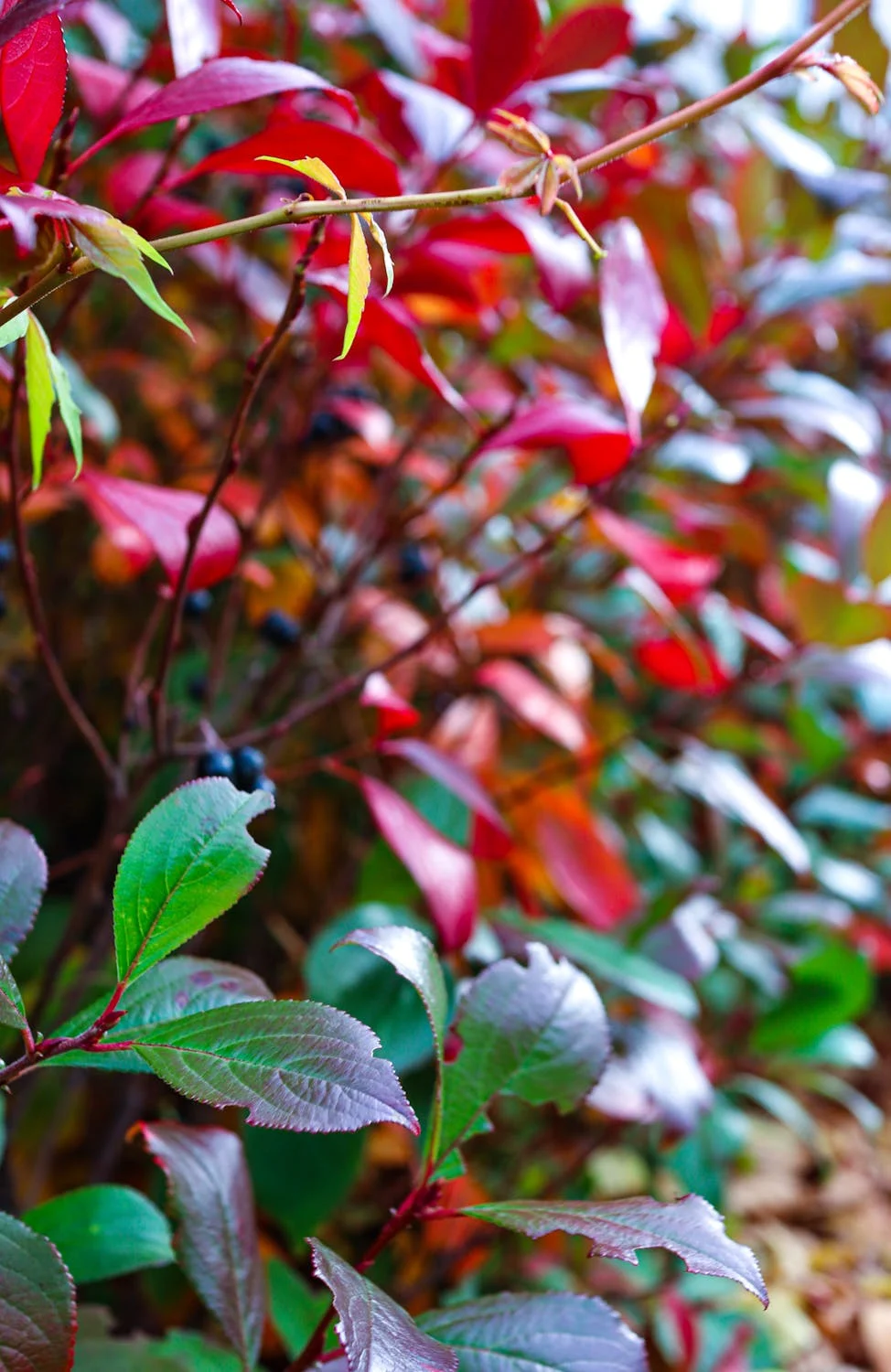
Aronia berries, also called chokeberries, are tart fruits rich in dark plant pigments called anthocyanins. They are useful as food and worth studying as a possible complementary nutrition choice. The earlier version of this article called them cancer-fighting superfoods. That claim went beyond the human evidence.
What has been tested in people?
In a double-blind randomized trial, adult men consumed aronia berry products or a comparison product while researchers measured blood-vessel function, blood pressure, blood chemistry, and gut bacteria. The study reported changes in some vascular measures, but those measurements are markers, not proof of fewer heart attacks or longer life. Read the original aronia vascular-function trial.
A separate randomized crossover trial enrolled 109 Danish men with mildly elevated cholesterol. Participants took an aronia supplement and placebo in separate study periods. Some measures changed in subgroups, including cholesterol in men younger than 40, but subgroup findings need confirmation in new trials. The original paper is the 109-person chokeberry trial. Another small randomized trial in former smokers reported lower total and LDL cholesterol after 12 weeks of aronia consumption (aronia trial in former smokers). These trials studied different products and groups; their results cannot be combined into a claim that any aronia juice treats cardiovascular disease.
What about antioxidant and cancer claims?
A laboratory measure of antioxidant activity does not tell us what a fruit does after digestion, nor does it establish cancer prevention. The studies above measured intermediate outcomes. They did not show that aronia prevents cancer, replaces treatment, or gives every consumer a measurable benefit.
Fresh or frozen aronia can be used in smoothies or cooked with other fruit to soften its tartness. Unsweetened options make more sense than turning a berry into a high-sugar drink. People interested in other food-based studies can read our review of beetroot and blood-vessel research. The practical case for aronia is variety in a plant-rich diet, with some intriguing but limited human evidence.