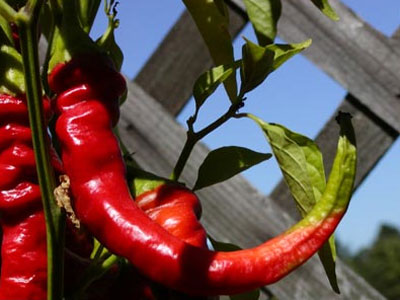
Cayenne pepper adds heat to food. Its best-studied ingredient, capsaicin, also appears in creams and prescription skin patches used for some kinds of nerve pain. That evidence does not mean cayenne powder or extract can stop a heart attack, control severe bleeding, or treat dozens of unrelated illnesses. The earlier version of this page made those claims without reliable clinical evidence. They have been removed.
The plant name is usually written Capsicum annuum, with two u's. Cayenne is one of many peppers within that species, according to Kew's Plants of the World Online. The old URL remains in place so existing links to this article still work.
Food, capsules, creams, and patches are different products
Capsaicin is the compound responsible for much of a hot pepper's burning sensation. A sprinkle of cayenne in a meal, a concentrated tincture taken by mouth, an over-the-counter skin cream, and a prescription 8% capsaicin patch deliver very different exposures. Results from a patch trial cannot be transferred to an oral pepper remedy. In the same way, an experiment measuring a short-term body response cannot prove that peppers prevent heart attacks or prolong life.
Cayenne can be enjoyed as a seasoning if it agrees with you. People vary in how much heat they tolerate. It is not necessary to consume large amounts to get the benefits of a varied diet, and concentrated products can irritate the mouth, stomach, skin, and eyes.
What does the digestion research show?
One small double-blind trial studied 30 people with functional dyspepsia, a pattern of upper-abdominal discomfort without an obvious structural cause. Fifteen people received 2.5 grams of red pepper powder daily before meals for five weeks; fifteen received placebo. From the third week, the red-pepper group reported lower overall symptom scores, including pain, fullness, and nausea. The study is The treatment of functional dyspepsia with red pepper.
This is a specific, small result. The researchers excluded people with reflux disease and irritable bowel syndrome, and the outcome was a symptom diary rather than a test of healing stomach tissue. It does not establish that cayenne rebuilds the stomach, increases stomach acid in a helpful way, treats ulcers, or is suitable for everyone with indigestion. A person whose symptoms persist or worsen should seek an evaluation rather than assume a spice is the answer.
Where topical capsaicin has better evidence
Capsaicin applied to skin can change how local pain-sensing nerves respond. This has been tested most clearly with standardized products for localized nerve pain. In a 12-week randomized trial involving 369 adults with painful diabetic neuropathy, a single 30-minute application of an 8% capsaicin patch to the feet was compared with a placebo patch. Average daily pain scores fell by 27.4% in the capsaicin group and 20.9% in the placebo group over weeks two through eight. The difference was statistically significant, but the extra relief was modest (Capsaicin 8% patch trial in painful diabetic neuropathy).
Another controlled study in 299 people with persistent nerve pain after shingles compared an 8% capsaicin patch with a low-strength control patch. The high-strength group had greater average pain reduction over weeks two through eight (High-concentration capsaicin patch trial in postherpetic neuralgia). These are studies of a measured medicine applied under controlled conditions. They do not show that rubbing ground cayenne onto skin gives the same result.
The US prescribing information for the 8% capsaicin patch says it must be administered by a healthcare professional. Application can cause substantial burning, irritation, temporary blood-pressure rises, and, rarely, severe burns. It is a treatment to discuss for an appropriate nerve-pain diagnosis, not a home pepper compress. Lower-strength nonprescription capsaicin products have their own directions and precautions. The National Library of Medicine's capsaicin guidance says not to apply them to broken or irritated skin or get them in the eyes, nose, or mouth.
What cayenne cannot do in an emergency
There is no credible clinical evidence that a spoonful of cayenne revives someone in cardiac arrest or stops a heart attack within seconds. If chest pressure, shortness of breath, sweating, or other possible heart-attack symptoms occur, call the local emergency number immediately. Do not delay emergency care to prepare or swallow pepper. The American Heart Association's heart-attack guidance emphasizes urgent emergency assessment.
Cayenne is also not a proven way to stop internal hemorrhage, and putting pepper powder on an open wound can cause irritation and contaminate it. For severe external bleeding, call emergency services and apply firm direct pressure. The American Heart Association and American Red Cross first-aid guidelines recommend direct manual pressure as the first step in controlling external bleeding.
Reports that cayenne treats asthma in infants, kidney stones, infections, cancer, or every kind of pain are not supported by the trials discussed here. They should not be used to guide care for a child or for a serious condition.
A practical takeaway
Use cayenne as food if you enjoy it. Consider a properly labeled topical capsaicin product with a clinician or pharmacist when it fits a diagnosed pain condition, and follow its handling instructions. Treat strong claims about oral pepper remedies with care: the digestion trial was small, while the better pain trials used standardized skin patches. Our review of cholesterol and heart-risk evidence shows why claims about preventing a heart attack need trials that measure real cardiovascular events.